






ProductDetails
-
Baghouse Dust Collector
-
Cartridge Dust Collector
-
Wet Electrostatic Precipitator (WESP)
-
Sintered Plate Dust Collector
-
Desulfurization & Denitrification
-
Cyclone Dust Collector
-
Wire Mesh Demister
-
Catalytic Combustion
-
Electrostatic Precipitator Parts
-
Valves
-
Dust Collector Filter Cage
-
Dust Filter Cloth
-
Pulse Control Instrument
-
Pulse Solenoid Valve
-
Rotary Airlock Valve
-
Pneumatic Conveying System
-
Conveying Machinery
-
Water Treatment Chemicals
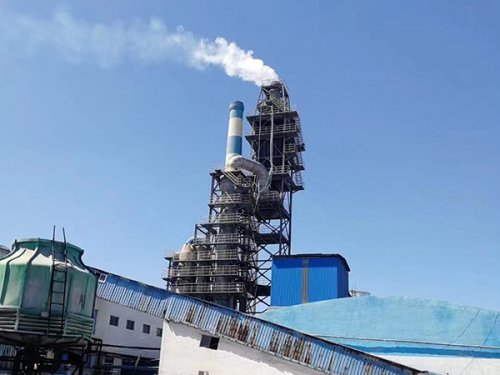
Flue Gas Desulfurization System (FGD)
Flue Gas Desulfurization System (FGD)
Flue Gas Desulfurization System (FGD) is used to remove sulfur dioxide and other sulfur-containing acidic components from industrial flue gas. The system brings the gas into contact with a suitable alkaline reagent, allowing sulfur compounds to be absorbed and converted into reaction products.
Wet FGD is commonly configured with an absorber tower, slurry circulation system, reagent preparation equipment, spray headers, mist eliminator, and supporting pumps and piping. Hot flue gas enters the absorber and is distributed through the spray zone, where alkaline slurry contacts the gas.
Sulfur dioxide dissolves into the liquid phase and reacts with the alkaline components in the slurry. The treated gas then passes through the mist eliminator, which removes entrained liquid droplets before the gas leaves the absorber.
Different desulfurization processes can be selected according to the flue gas characteristics. Wet, dry, and semi-dry configurations differ in reagent form, gas-liquid contact method, reaction conditions, and by-product handling.
The system design depends on flue gas volume, inlet temperature, SO₂ concentration, moisture content, reagent properties, residence time, and required removal conditions. Pumps, valves, ducts, sensors, and control equipment are arranged to maintain the required gas and reagent flow.
Main Components
FGD absorber tower
Gas inlet and outlet
Spray system
Absorbent slurry circulation system
Reagent preparation unit
Circulation pumps
Mist eliminator
Slurry collection section
Piping and valves
Monitoring and control system
Desulfurization Processes
Wet FGD
Flue gas contacts an alkaline slurry inside an absorber. SO₂ is transferred from the gas phase into the liquid and reacts with the absorbent.
Dry FGD
A dry alkaline reagent is introduced into the flue gas and reacts with acidic sulfur compounds. The resulting solid particles are subsequently separated from the gas stream.
Semi-Dry FGD
An absorbent slurry or solution is atomized into the hot flue gas. Water evaporates while the alkaline material reacts with sulfur compounds, producing dry reaction products.
Operating Factors
Flue gas flow rate
Inlet gas temperature
SO₂ concentration
Reagent concentration
Gas-liquid contact time
Slurry circulation rate
Moisture content
Pressure drop
Applications
Power plant flue gas treatment
Industrial boilers
Cement production
Steel and metallurgical processes
Waste incineration
Chemical processing
Mineral processing
Industrial combustion systems
 Recommended News
-
Durable Sintered Plate Dust Collector: Ideal Solution for Humid and Corrosive Industrial Dust Removal
2026-08-15 11:46:41
-
Sintered Plate Dust Collector: Corrosion-Resistant High-Efficiency Dust Removal Equipment for Harsh C
2026-08-10 11:46:12
-
Advantages and Working Principle of Industrial Wet Electrostatic Precipitator for Ultra-Low Emission
2026-08-08 11:45:41
-
Wet Electrostatic Precipitator: Advanced Flue Gas Purification Equipment for Industrial Emission Cont
2026-08-04 11:28:00
-
Why Choose Industrial Cartridge Dust Collector? Features and Application Scenarios
2026-07-30 11:27:25
Contact Us
—— Consultation Hotline: +86 17331708686
—— WhatsApp:+8617331708686
—— Email: lujingya66@163.com
—— Website:https://www.jiuzhoudust.com
—— Address: Siying Development Zone, Botou City, Hebei Province, China